


































Mahavatar Narsimha Movie Review: Ashwin Kumar's Movie Redefines Indian Animation With Mythic Power, Emotion, And Visual Splendor



"Mahavatar Narsimha" explodes onto the Indian animation scene as bold and picture-book-like re-telling of a mythological classic. Directed and written by Ashwin Kumar and made by Hombale Films, the film is part one of the upcoming Mahavatar Cinematic Universe of the ten avatars of Lord Vishnu. It is not a tale—it's an experience, an experience that tries to bridge coming generations with India's mythological past through state-of-the-art animation and gut-wrenching narration
Storyline
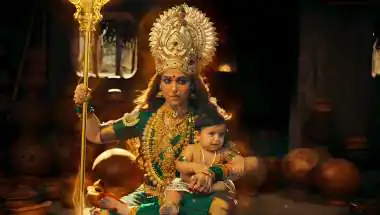
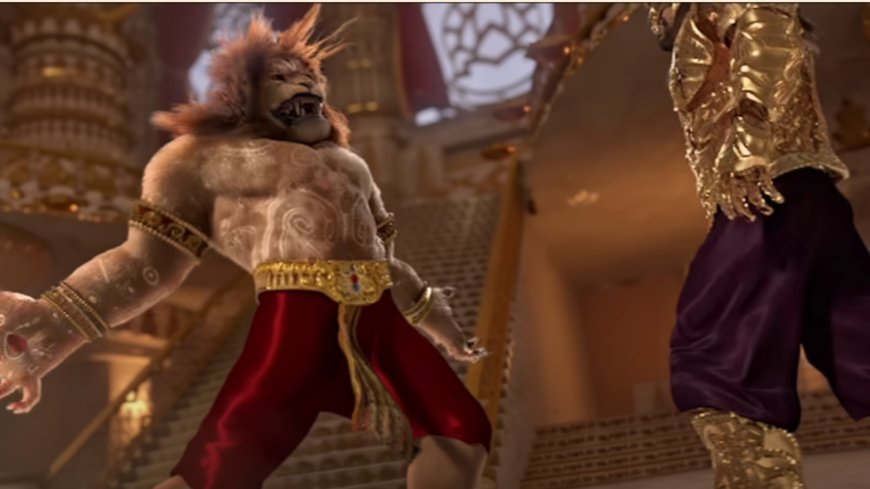
The movie tracks the journey of Prahlada, a youth who is a follower of Lord Vishnu, and gets embroiled in the wake of his brutish father Hiranyakashipu's pursuit of immortality. While constantly subjected to brutality, Prahlada holds on to his faith. Just at the doorstep of apparent hopelessness, Vishnu takes the avatar of Narsimha—a creature not human nor beast—to mete cosmic justice and bring about equilibrium. The highlight, with the climactic dramatic struggle and confrontation between Narasimha and Hiranyakashipu, is carried out to hair-raising levels, combining myth, action, and emotion in perfect proportions.
Positive Points
- Visual Grandeur & Animation: The film is proof of the distances that Indian animation has brought itself to. Each frame, and particularly the Varaha avatar and Narasimha's incarnation montage, is filled with detail, grandeur, and genuine mythological wonder. The VFX and animation are several standards above par Indian efforts, richly brought to your mind epic battles and cosmic landscapes.
- Emotional & Spiritual Core: Of prime importance to its core, the film is about spirituality, commitment, and the triumph of good over evil. Prahlada's emotional struggle—innocence, misery, and never-wavering faith—is something that identifies with any person of any age group, making the film universally appealing throughout all ages.