































Harish Rana Case: Supreme Court of India Allows Removal of Life Support in Landmark Passive Euthanasia Ruling


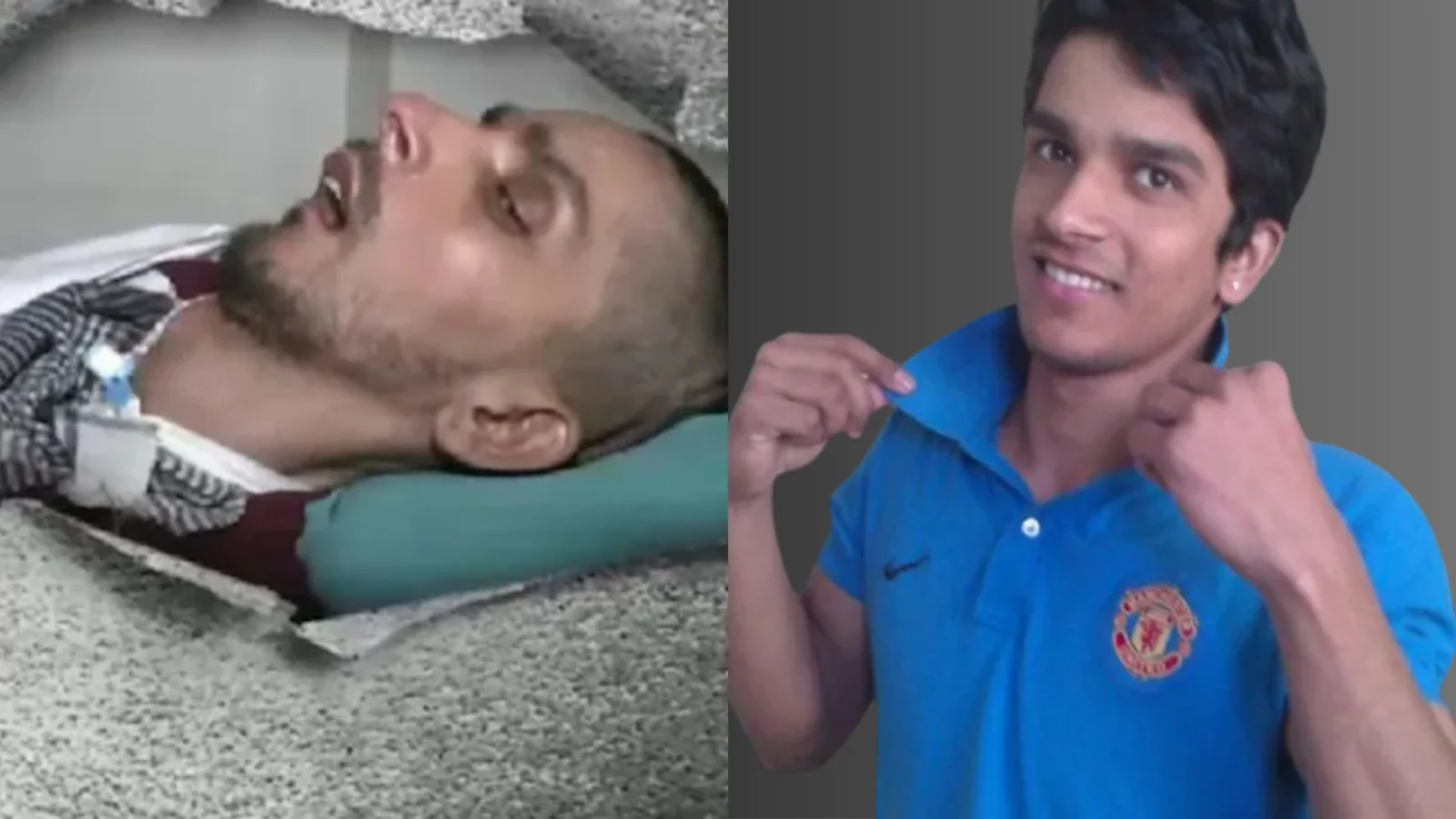

A landmark ruling by the Supreme Court of India has paved the way for the withdrawal of a thirty-one-year-old male patient’s life support. The patient had been in a vegetative state for over ten years. As of now, a court in India has allowed passive euthanasia on a patient who has no advance directive. The approved case is that of Harish Rana, who fell from a 4th-floor balcony and had significant brain injury bleeding after 2013 due to an accident. Since then, he has been in a comatose condition and requires mechanical means to stay alive. Despite medical treatment for several years, doctors concluded that Mr. Rana will not be able to recover in any degree of meaningfulness from his injuries.
In 2018, the Supreme Court of India ruled that passive euthanasia was lawful. Passive euthanasia permits the withdrawal or withholding of life support under the terms of a statutory scheme. An individual may not commit an act of active euthanasia because it is illegal in India. Parents of Rana have continuously gone to court looking for the ability to take their son off of life support over the past few years. The parents said that they have lost their entire savings caring for their son and they have concerns about who will care for him after they are gone.