




































Delhi EV Policy 2026–2030: Big Push For Electric Mobility In Delhi


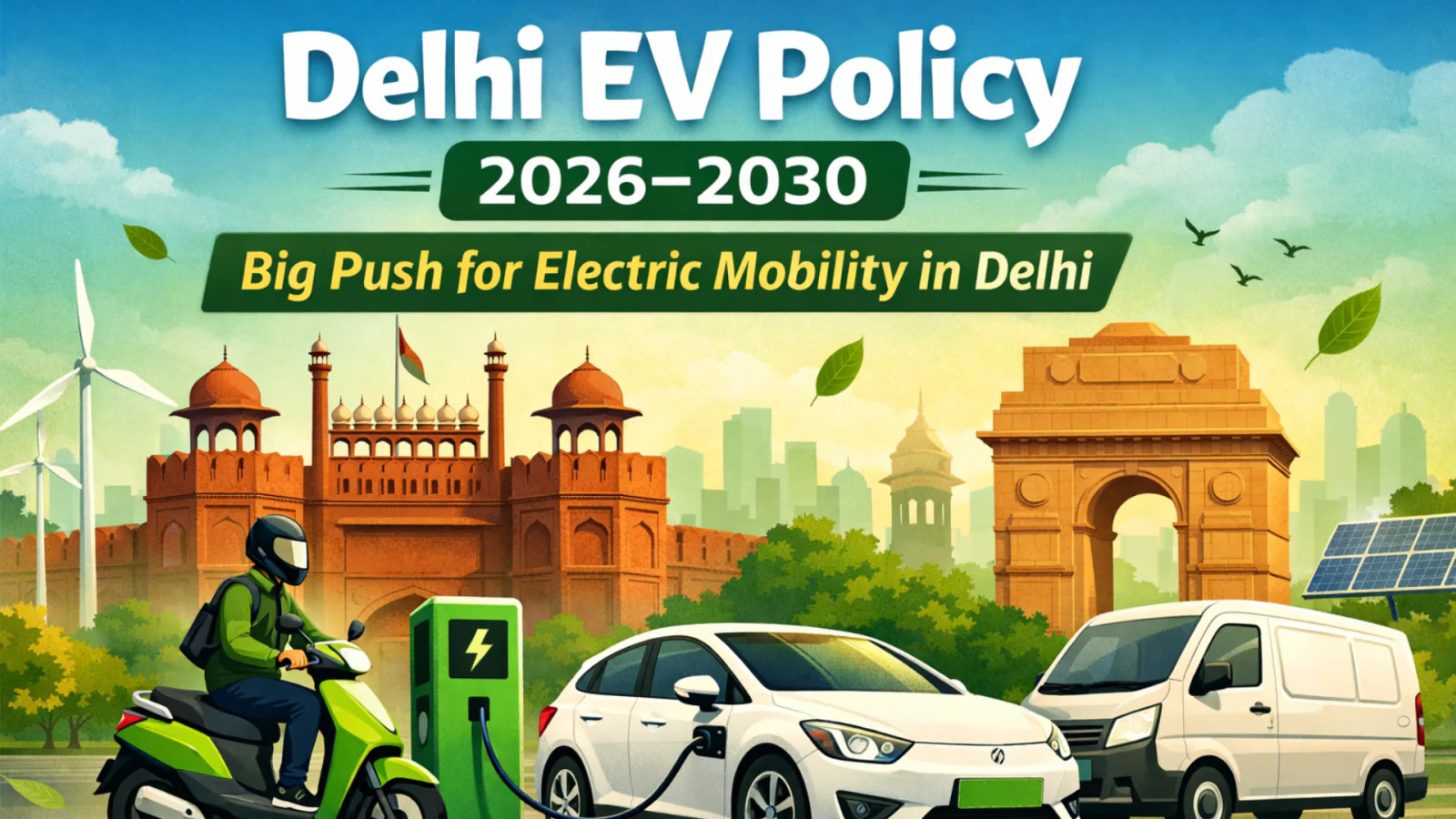

Delhi's government has issued a draft of the city's Electric Vehicle (EV) policy from 2026-2030. The aim of the EV policy is to do several things: first, facilitate the transition to sustainable and clean forms of transportation in Delhi; second, provide a range of financial incentives, tax breaks, and regulatory measures that will encourage EV adoption in all areas of the vehicle segment; and finally, promote a transition to sustainable and clean transportation methods during the next decade.
Strong Push for Two-Wheelers Commercial Segments
Public comments for a 30-day period are currently being accepted on the draft EV policy. The draft appears to indicate that the government intends to support the EV ecosystem while also addressing the problems of pollution. While two-wheelers were identified as the primary focus in the draft document because they represent the largest population of vehicles in Delhi, the draft includes discussions about electric passenger cars, commercial vehicles (CVs), and fleets.
The EV policy provides additional incentives for electric two-wheelers and for the commercial vehicle sector. The primary focus on electric two-wheelers will be through the use of financing assistance programs to achieve high rates of acceptance for two-wheelers by the commuting public. Additionally, the EV policy will provide structured incentives for commercial vehicles to encourage the adoption of eCVs in order to minimize emissions in the highest use sectors.