







































BTS And K-Dramas Drive South Korea’s Tourism, Turning The Nation Into A Global Travel Hub
BTS, K-pop, and K-dramas are driving a tourism boom in South Korea, inspiring fans worldwide to visit iconic locations and immerse themselves in Korean culture.


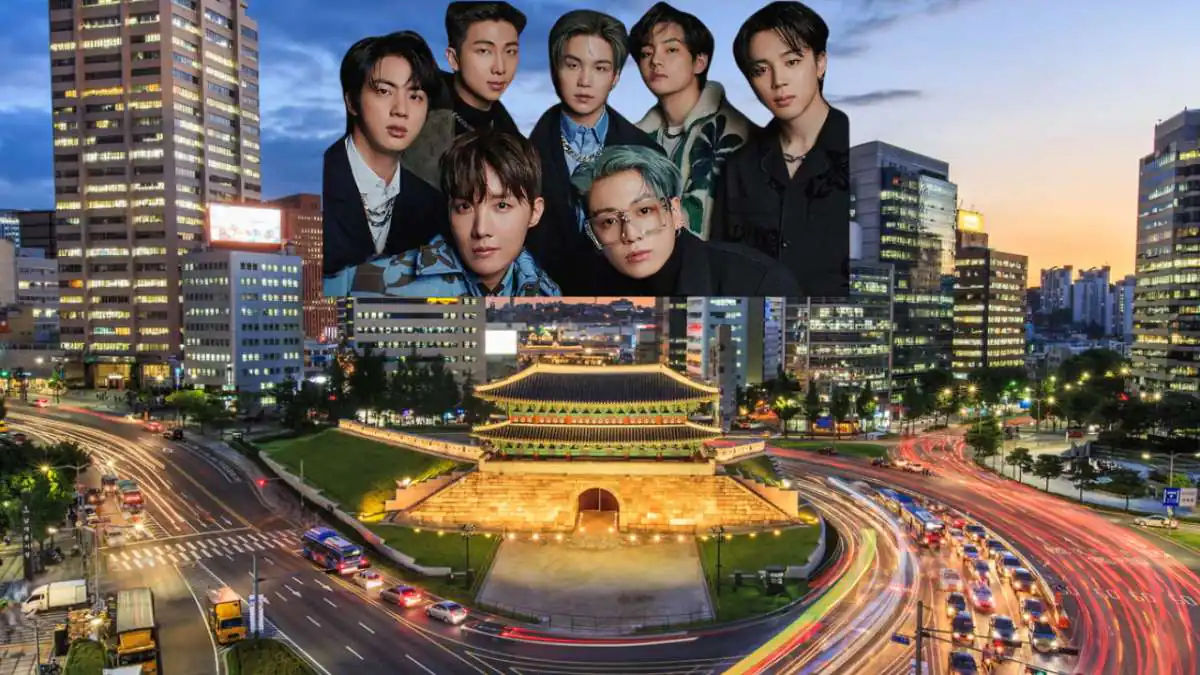

BTS, K-pop and K-drama inspire a unique type of love in people. A non-casual type of love. The type of love that fuels teenagers' desire to learn/pick up Korean phrases from dramas, adults to manipulate their work schedules to correspond with comeback dates and travellers to find themselves on the same street corner in Seoul, bonding over an unexpected mutual obsession, no matter if they are from Brazil, India or France. South Korea did not create this type of devotion, it earned it. And it now appears to quietly and confidently be turning this type of devotion into one of the foremost informative tourism stories occurring in the world today.
What Is Actually Going On Here
This is not simply a case of a country cashing in on a trend. What South Korea is doing feels more organic than that, even when it involves government task forces and official tourism strategies. The foundation of all of it is genuine human connection — between fans and the music, between travellers and the places they have watched on screen a hundred times before finally standing in front of them in real life.
BTS returning to full group activities lit a fire under this entire movement. Suddenly millions of fans who had been patiently waiting had a reason to finally make that trip they had been daydreaming about. Concert tickets became travel plans. Travel plans became full itineraries. Tourism in South Korea had received a great deal of attention lately due to its focus on emotion, memory and a strong sense of personal connection with a culture that many people experience via media from thousands of miles away.