
































OnePlus, after facing a string of setbacks in the wearable tech arena, returns with its latest offering: the OnePlus Watch 2. This new addition to their lineup boasts significant advancements, signaling a potential departure from past failures and a step toward innovation. Let's explore the key features and design elements that set the OnePlus Watch 2 apart.

Design
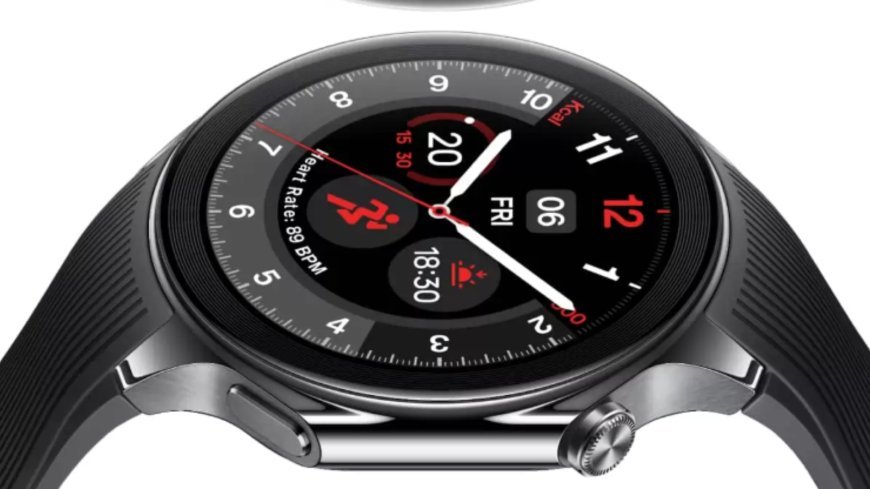
The OnePlus Watch 2 undergoes a notable transformation in terms of design. Departing from the rounded edges of its predecessor, it embraces flat sides, straight lines, and hardened edges, lending it a bulkier yet purposeful appearance.
The watch comes in two variants: Black Steel and Radiant Steel, both crafted from stainless steel with a brushed metal finish and polished surfaces.
Featuring a 2.5D sapphire crystal glass, the display boasts a gentle curvature around the edges for enhanced aesthetics.
Sporting a 1.43-inch AMOLED display with a resolution of 466x466 pixels, the OnePlus Watch 2 delivers vibrant colors, inky blacks, and good viewing angles.
The panel operates at a constant 60Hz refresh rate and offers a claimed high brightness mode of 1000 nits, ensuring readability even in bright conditions.
Software and Performance
The standout feature of the OnePlus Watch 2 lies in its software. Running on a combination of Wear OS and a proprietary RTOS, it utilizes two chipsets: Snapdragon W5 for Wear OS and BES 2700 for low-level tasks.
This hybrid approach enables power efficiency by leveraging the low-power 2700 chipset for background activities while reserving the W5 chip for user interactions and specific applications.
The watch offers two operating modes: Smart mode, which balances functionality and battery life, delivering 48-100 hours of usage, and Power Saver mode, extending battery life up to 12 days by disabling non-essential features.
Compatibility and User Experience
The OnePlus Watch 2 is compatible only with Android smartphones, limiting its user base.
The OHealth app, replacing the previous OnePlus Health app, serves as the companion app for the watch, offering health monitoring features, customizable watch faces, and notification settings.
Despite occasional UI hitches and slowdowns, the overall user experience remains satisfactory, with intuitive navigation and seamless integration with the OHealth app.
In summary, the OnePlus Watch 2 represents a significant leap forward for OnePlus in the wearable tech landscape. With its revamped design, dual chipset configuration, and versatile operating modes, it aims to address past shortcomings and offer users a compelling smartwatch experience. While compatibility limitations and occasional performance issues persist, the OnePlus Watch 2 stands as a promising contender in the competitive smartwatch market.