






































Work Education Instructors Unheard Demands Lead To Peaceful Protest Arrest




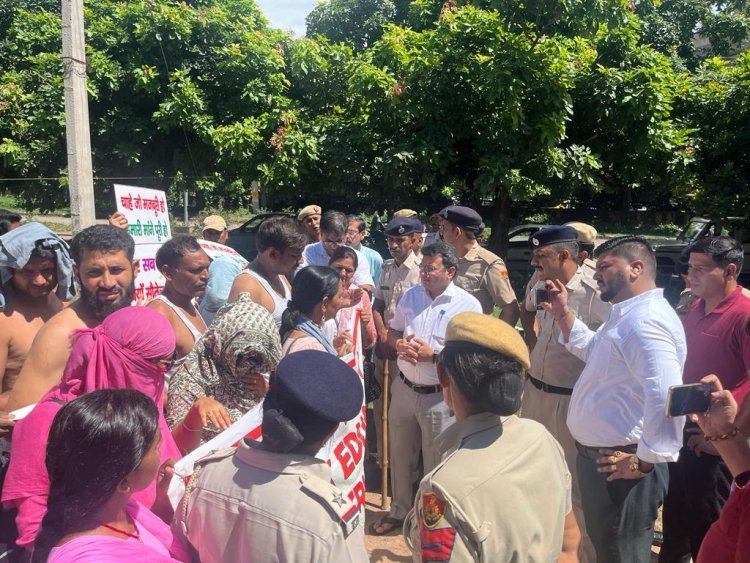
Panchkula: Education instructors engaged in the field of work education in government schools across Haryana found themselves embroiled in a distressing situation when their peaceful protest in front of Shiksha Sadan took a tumultuous turn. These instructors, who had been dedicatedly contributing their expertise since August 2014 under the Sarva Shiksha Abhiyan (Samagra Shiksha), were fervently advocating for their inclusion within the Council's By Laws 2013. This demand pertained to instructors specializing in diverse disciplines such as music, singing, tabla, fine art, drama, and dance. Their prolonged protest, which commenced on June 22, aimed to secure the rightful recognition they believed they deserved.

As tensions escalated, four instructors resorted to a hunger strike on August 2, an extreme measure to amplify their plea for acknowledgment. Subsequently, Rajesh Khullar, the Additional Chief Secretary, engaged with the instructors and provided assurances of expedited solutions, resulting in the termination of the hunger strike. However, time passed with no tangible progress, prompting a sense of disillusionment among the instructors.